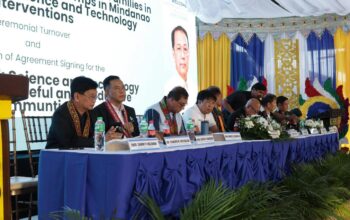

The Department of Science and Technology (DOST) officially opened the 2026 Regional Science, Technology, and Innovation Week (RSTW) in the Ilocos Region on February 16 at CSI Stadia, convening national and local leaders, academic institutions, industry partners, and innovators under the theme “Siyensya, Teknolohiya, at Inobasyon: Kabalikat sa Matatag, Maginhawa, at Panatag na Kinabukasan,” with the sub-theme Building Smart and Sustainable Communities.
In her welcome remarks, Belen T. Fernandez, Mayor of Dagupan City, underscored the city’s commitment to innovation-driven governance. She emphasized that a smart city is defined not only by digital systems or modern infrastructure, but by how knowledge and innovation generate employment, protect the environment, improve public services, and empower the youth.
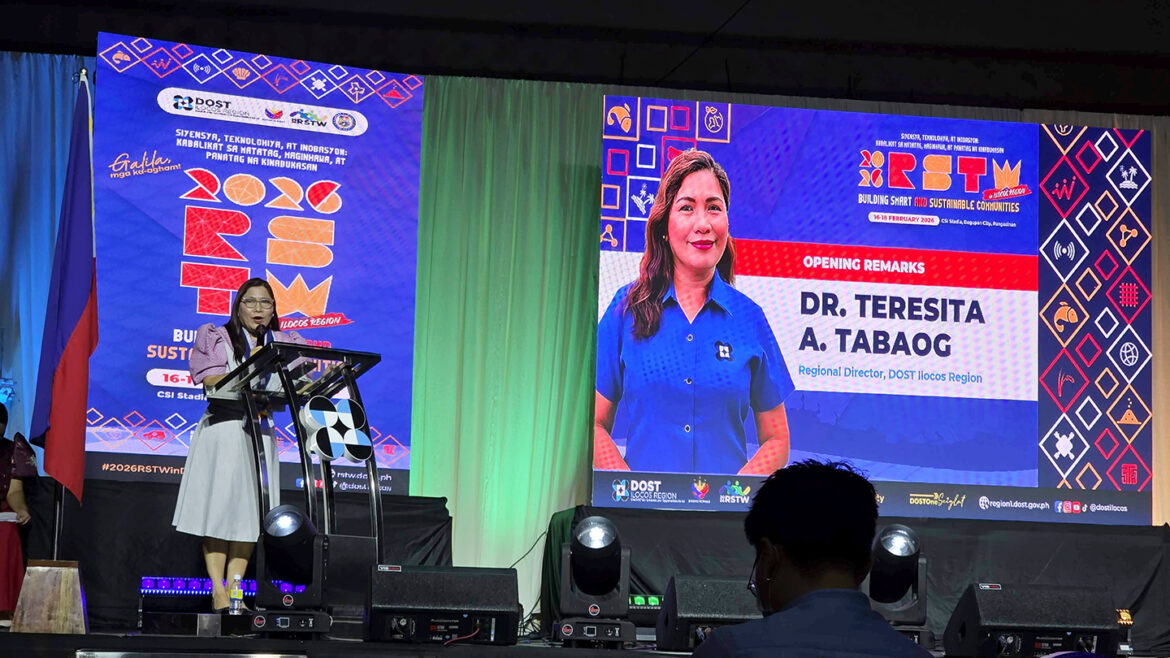
Teresita A. Tabaog, DOST Ilocos Regional Director, highlighted that the early celebration of RSTW was made possible through Dagupan City’s proactive partnership with DOST. A major highlight of the event was the launch of the first-ever DOST Niche Centers in the Regions (NICER) Salt Research and Development Center in Pangasinan, an initiative designed to strengthen the province’s salt industry and research capacity. She stressed that collaboration with local governments and communities remains essential in building smart and sustainable communities.
Delivering the inspirational message on behalf of Pangasinan Governor Ramon V. Guico III, Raymundo D. Rovillos, President of Pangasinan Polytechnic College, affirmed that the province’s innovation agenda is people-centered. He cited the revitalization of salt-making initiatives and announced the upcoming launch of the PPC–DOST iHub, envisioned as a premier training ground and entrepreneurial incubator for the region’s emerging technology leaders.
Ana Carmela Ventura-Remigio, Presidential Assistant Secretary for Northern Luzon, emphasized that science, technology, and innovation (STI) are critical to achieving a future that is resilient, prosperous, and secure. She noted the alignment between national development goals and DOST’s four pillars, stressing that innovation must be purposeful and directed toward meaningful progress.
In his keynote address, Renato U. Solidum Jr., DOST Secretary, highlighted Pangasinan’s historical connection to salt production—derived from the word “asin”—as a symbol of how science and innovation are deeply rooted in local knowledge and livelihoods. He encouraged local governments, researchers, educators, and students to continue transforming science into practical solutions and ideas into opportunities for inclusive regional growth.
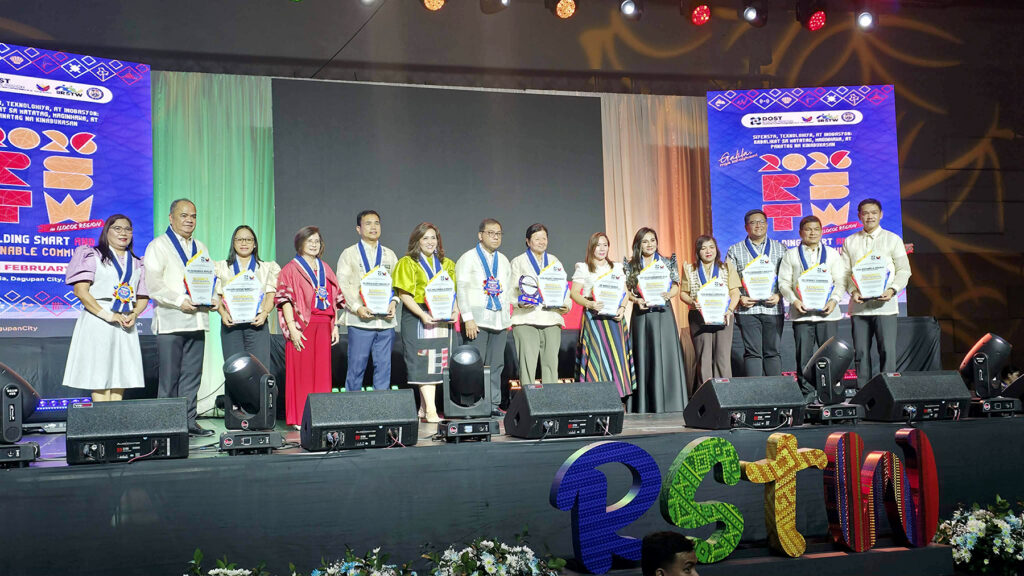
The program also featured reports from current STI Ambassadors of Region I, the conferment of new STI Ambassadors from academia, government, industry, and the environmental sector, and the awarding of STI assistance to partner institutions, including Universidad de Dagupan, Pangasinan Polytechnic College, and the Dagupan City Government.
Ceremonial highlights included the distribution of STARBOOKS units, the Water Compendium and TOURLISTA platforms, the signing of a Memorandum of Understanding for the institutionalization of MAGHANDA for KIDS, and the launch of the SOLIDO Knowledge Hub.
During the press conference, Mayor Fernandez expressed gratitude to DOST and its Ilocos Regional Office for hosting RSTW in Dagupan. She emphasized the strengthened partnership in advancing the city as a smart and sustainable community through science- and data-driven solutions tailored to local needs. She cited the establishment of science-focused schools to promote early STI education, the adoption of DOST-developed Disaster Risk Reduction and Management technologies to improve preparedness and mitigation, and the implementation of science-based waste management programs to support environmental sustainability—initiatives fully backed by Secretary Solidum and the DOST community.
Running until February 18, the 2026 RSTW features technology exhibits, forums, and partnership-building activities aimed at strengthening agriculture, industry, education, tourism, and disaster resilience. The event reaffirms that in the Ilocos Region, science and innovation remain essential partners in building a smarter and more sustainable future. (Nelson Santos)